
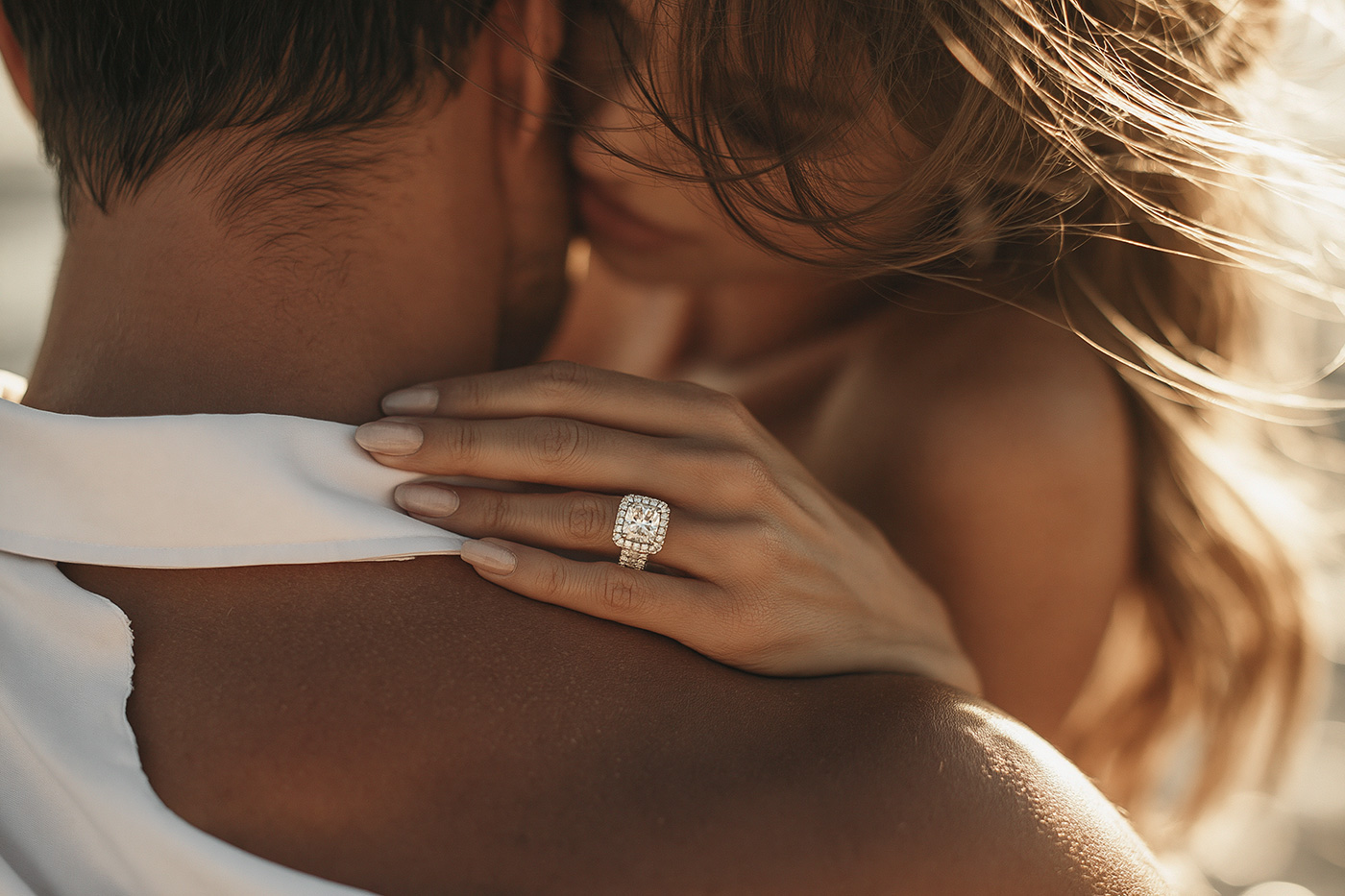
If you’re shopping for an engagement ring in Montreal right now, this is the comparison that matters most
For couples choosing an engagement ring in 2026, the biggest question is no longer just white gold or platinum, or oval or round. It’s this:
Should we buy a natural diamond or a lab-grown diamond?
A few years ago, that question felt simpler. Natural diamonds were the default. Lab-grown diamonds were often treated as the “alternative.”
Today, the conversation has changed.
Lab-grown diamonds have improved dramatically in availability, sizing, and quality. Natural diamonds still carry rarity, tradition, and long-term emotional appeal. And for Montreal buyers — whether you’re shopping for a proposal, an anniversary ring, or a custom piece — the decision now comes down to three major factors:
- Cost
- Environmental impact
- Resale value
This guide breaks down all three clearly, without hype and without pressure. By the end, you’ll know which option fits your budget, your values, and the kind of ring you actually want.
First, the basics: what’s the difference between natural and lab-grown diamonds?
This part is important:
Lab-grown diamonds are real diamonds.
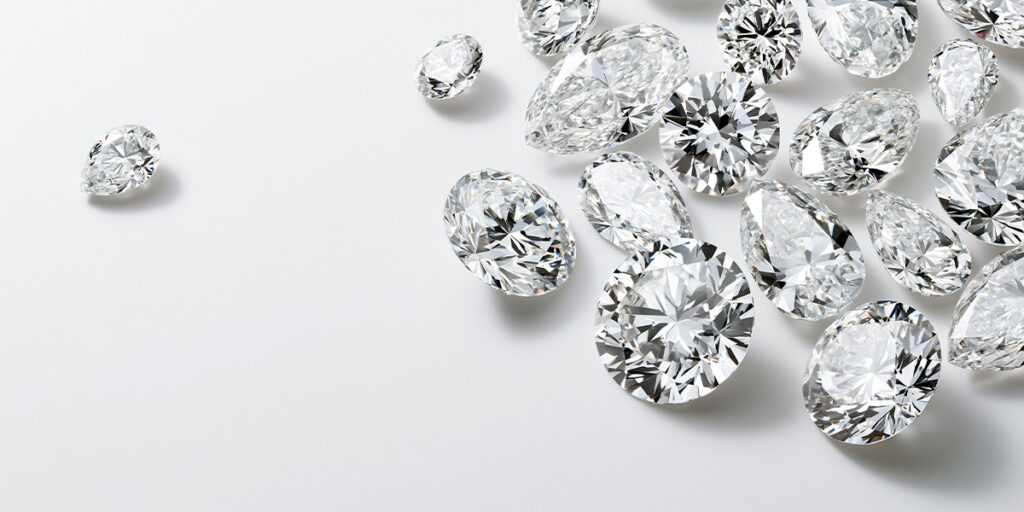
They are not cubic zirconia. They are not moissanite. They are not “fake.”
Both natural and lab-grown diamonds are made of crystallized carbon and have the same:
- optical properties
- physical properties
- brilliance
- hardness
- sparkle
The difference is where they are formed.
Natural diamonds
Natural diamonds formed deep within the earth over hundreds of millions to billions of years. They are mined, cut, and polished before becoming jewelry.
Lab-grown diamonds
Lab-grown diamonds are created in controlled laboratory environments using advanced methods such as:
- HPHT – High Pressure High Temperature
- CVD – Chemical Vapor Deposition
In simple terms: one grows in the earth, the other grows in a lab. But to the naked eye, and even to most jewelers’ loupes, they can look identical.
In most cases, only specialized equipment can confirm whether a diamond is natural or lab-grown.
The quick comparison table
|
Factor
|
Natural Diamonds
|
Lab-Grown Diamonds
|
|---|---|---|
|
Are they real diamonds?
|
Yes
|
Yes
|
|
Appearance
|
Identical to lab-grown
|
Identical to natural
|
|
Typical cost
|
Higher
|
Usually significantly lower
|
|
Rarity
|
High
|
Lower, due to controlled production
|
|
Environmental profile
|
Mining-related impact
|
Energy-use dependent
|
|
Resale value
|
Generally stronger
|
Usually weaker
|
|
Best for
|
Tradition, rarity, long-term sentiment
|
Budget flexibility, larger stone, modern values
|
Now let’s look at the three big decision-makers in detail.
1. Cost: which one gives you more value in 2026?
If price is the number-one factor for you, this is where the difference becomes very clear.
Lab-grown diamonds usually cost less
In 2026, lab-grown diamonds are often substantially less expensive than natural diamonds with similar cut, color, clarity, and carat weight.
Depending on the stone and the market, the price difference can often range anywhere from 40% to 80%, sometimes even more for larger sizes.
That means a couple shopping with a set budget may be able to choose:
- a bigger center stone
- a higher clarity grade
- a better color grade
- a more intricate setting
…without increasing the budget.
Natural diamonds cost more because of rarity and market structure
Natural diamonds are priced not just for beauty, but also for scarcity and long-standing market demand. Especially at higher carat weights and better grades, natural diamonds can rise sharply in price.
That does not mean natural diamonds are “overpriced.” It means you are paying for something that formed naturally over geological time and is not reproducible in the same way.
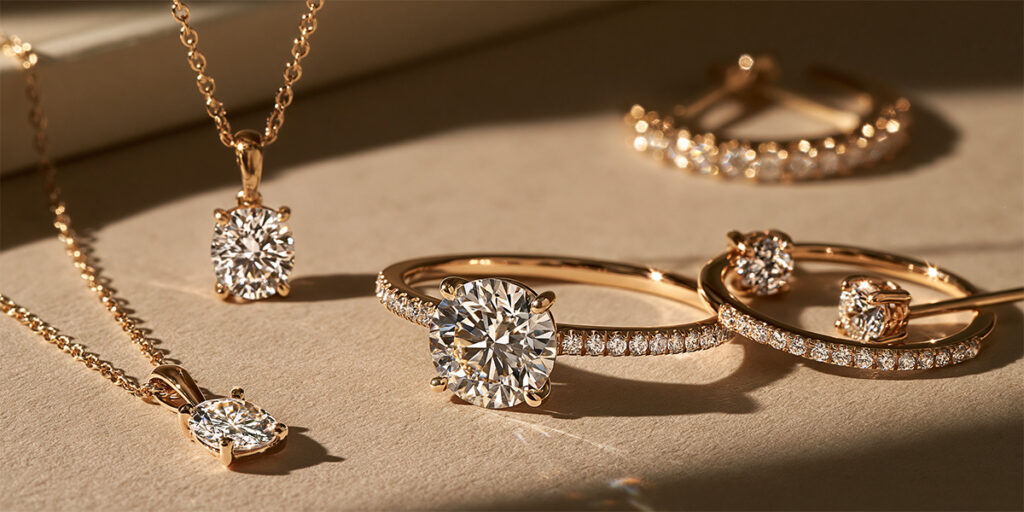
What this means for Montreal buyers
In Montreal, where many buyers are comparing options across local boutiques, heritage jewelers, and custom ateliers, price differences can become very noticeable.
A lab-grown diamond may appeal to buyers who want:
- maximum visual impact
- more design flexibility
- a larger carat size for the same budget
A natural diamond may appeal more to buyers who care about:
- tradition
- rarity
- perceived permanence
- long-term emotional significance
A practical example
Let’s say your budget is fixed.
With a natural diamond, that budget may lead you to a smaller or slightly lower-spec stone if you want high quality.
With a lab-grown diamond, that same budget may allow a noticeably larger or visually cleaner stone.
That’s not a small difference when the ring is something you’ll see every day.
2. Environmental impact: the most misunderstood part of the debate
This is where a lot of buyers get confused — and where a lot of marketing language gets vague.
The truth is: there is no perfect answer.
Both natural and lab-grown diamonds can have environmental impacts. The difference lies in what kind of impact matters most to you.
Natural diamonds: mining impact
Natural diamond mining involves:
- land disturbance
- water use
- energy use
- infrastructure
- ecosystem impact
That said, the modern diamond mining industry is much more regulated than people often assume. Many mining operations now emphasize:
- land rehabilitation
- traceability
- community investment
- responsible sourcing standards
Still, if avoiding mining entirely is important to you, natural diamonds may not feel like the best fit.
Lab-grown diamonds: energy impact
Lab-grown diamonds avoid mining, but they are not automatically “zero impact.”
Creating diamonds in a lab can be energy-intensive. The environmental profile depends heavily on:
- the energy source used
- the production process
- the manufacturer’s practices
- whether renewable energy is involved
In other words: a lab-grown diamond can be a more environmentally conscious choice, but it depends on the specific supply chain behind it.
The fairest conclusion
If your priority is reducing mining-related impact, lab-grown diamonds are often appealing.
If your priority is longevity, heritage, and natural origin, natural diamonds may feel more meaningful.
If sustainability is your top concern, ask questions such as:
- Is the diamond traceable?
- Is the seller transparent about sourcing?
- Is the setting made with recycled metals?
- Are environmental claims specific, or just generic marketing language?
In 2026, informed buyers should not settle for vague labels like “eco-friendly” without context.
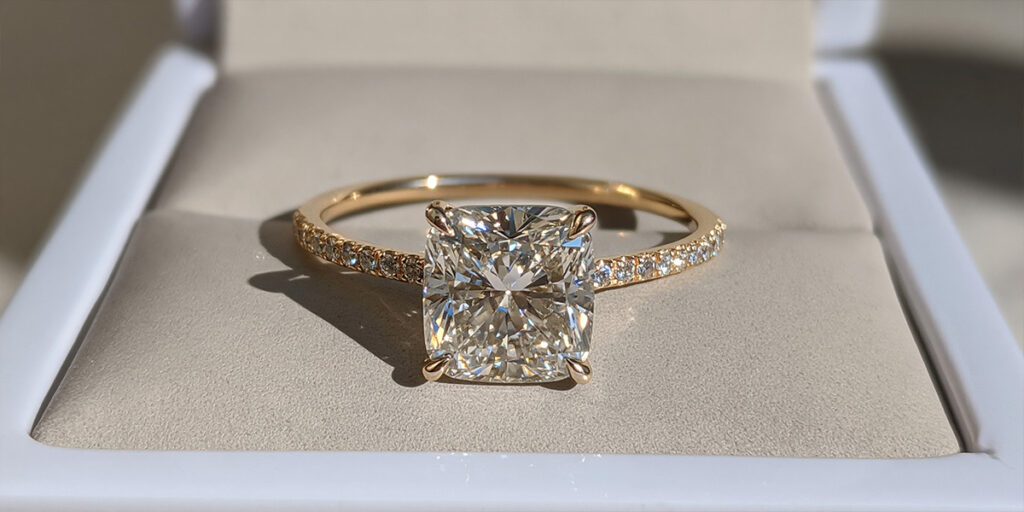
3. Resale value: where natural diamonds usually still have the edge
This is the part many people don’t research until after the purchase.
Natural diamonds tend to hold value better — but that doesn’t mean easy profit
Natural diamonds generally retain value better than lab-grown diamonds, especially when they are:
- well-certified
- high quality
- desirable sizes
- in strong resale categories
However, it’s important to be realistic.
Buying a diamond engagement ring is usually not an investment in the financial sense. Most retail jewelry does not sell later for the original retail price.
What natural diamonds usually offer is better value retention, not guaranteed profit.
Lab-grown diamonds usually have weaker resale value
Lab-grown diamonds tend to lose value more quickly because technology and production efficiency continue to improve.
As manufacturing scales, the replacement cost of comparable lab-grown stones can decline over time. That has a direct effect on resale.
For many buyers, this is not a dealbreaker — especially if they never plan to sell the ring. But if long-term value matters to you, it’s worth knowing.
What matters more than resale for most couples?
For many Montreal buyers, the biggest question is not “What will this sell for in 10 years?” It’s:
- Will we love it long-term?
- Can we upgrade later?
- Is it insured properly?
- Does the jeweler stand behind their work?
That’s why, in real life, upgrade policies and after-sales service can matter just as much as resale theory.
If you’re buying locally, ask:
- Do you offer trade-up options?
- Is there a lifetime maintenance policy?
- Can the ring be resized or repaired locally?
- Do you provide documentation for insurance?
Those details matter.
Natural vs. lab-grown diamonds: who should buy which?
Here’s the simplest way to think about it.
Choose a lab-grown diamond if you want:
- a larger stone for the same budget
- a modern, value-driven purchase
- more flexibility with cut, color, or clarity
- a ring that looks stunning without stretching your finances
- a diamond with no mining origin
Lab-grown is especially appealing to buyers who care about visual impact and present-day practicality.
Choose a natural diamond if you want:
- rarity and geological origin
- tradition and symbolism
- stronger long-term value retention
- a classic engagement ring story
- something that feels more heirloom-oriented
Natural diamonds still resonate deeply with buyers who value permanence, history, and emotional significance.
What to look for when buying either type of diamond in Montreal
Whether you choose natural or lab-grown, the buying fundamentals remain the same.
1. Certification matters
Ask for a recognized grading report from reputable labs such as:
For natural diamonds, GIA is often considered the gold standard. For lab-grown diamonds, IGI and GIA reports are commonly seen in the market.
2. Cut is king
Many buyers focus too much on carat weight and not enough on cut.
But cut has a huge impact on sparkle.
If you want maximum brilliance, prioritize excellent cut quality.
3. Buy with your eyes, not just the certificate
Two diamonds with similar grades can still look different in person.
Always compare stones side by side if possible.
4. Ask about settings and craftsmanship
A great diamond deserves a great setting.
Check whether the jeweler offers:
- custom design
- resizing
- prong re-tipping
- rhodium plating for white gold
- warranty coverage
- cleaning and inspection services
5. Don’t ignore the paperwork
Make sure you receive:
- a diamond grading report
- a detailed receipt
- warranty information
- any upgrade policy in writing
- insurance appraisal if needed
3 good and trustworthy places in Montreal to buy a natural or lab-grown diamond
If you’re ready to start looking, these are three strong Montreal options to consider.
1. Ex Aurum Jewellers
Best for: Personalized guidance and comparing natural vs. lab-grown options in a more boutique setting
If you want a more personal buying experience, Ex Aurum Jewellers is a strong Montreal option to shortlist. This is the type of place where buyers can take their time, ask real questions, and compare options without feeling rushed.
That’s especially useful in 2026, when so many couples are deciding between natural and lab-grown diamonds and want to see the differences in person.
Why it’s a good choice
- Helpful for buyers who want one-on-one guidance
- A strong option for comparing natural and lab-grown routes
- Well suited for engagement ring shoppers who value personalized service
- A good fit if you want to discuss design, setting, and budget openly
Best for:
Couples who want a more tailored experience and are deciding between natural and lab-grown diamonds.
Tip: Ask about current certified diamond options, setting customization, and after-sales support.
2. Birks
Best for: Heritage, brand trust, and classic natural diamond engagement rings
Birks is one of Canada’s most established luxury jewelry names, and its Montreal presence makes it a natural stop for shoppers who want a polished, traditional buying experience.
If you value brand recognition, classic styling, and a long-standing reputation, Birks is worth considering.
Why it’s a good choice
- Strong reputation in the Canadian luxury market
- Elegant, timeless engagement ring styles
- Good option for buyers who prefer a more traditional retail experience
- Strong fit for natural diamond shoppers
Best for:
Buyers who want a trusted luxury name and are leaning toward a natural diamond.
Tip: If lab-grown is important to you, confirm current availability before visiting, as inventory can vary.
3. Tiffany & Co. Montreal
Best for: Natural diamond confidence, global brand assurance, and a highly refined retail experience
Tiffany & Co. remains one of the most recognized names in fine jewelry, and its Montreal location is a go-to for buyers who want maximum brand confidence.
Tiffany is especially appealing if you care about:
- prestige
- presentation
- consistency
- natural diamond positioning
- a classic luxury experience
Why it’s a good choice
- Globally recognized reputation
- Strong natural diamond identity
- Excellent service environment
- Ideal for buyers who want a high-trust, established name
Best for:
Shoppers who want a natural diamond from a world-famous luxury jeweler.
Tip: If you specifically want a lab-grown diamond, call ahead to confirm options before booking an appointment.
Which Montreal option is right for you?
Here’s a simple way to decide:
- If you want personalized advice and the ability to explore both natural and lab-grown diamonds: start with Ex Aurum Jewellers
- If you want a heritage Canadian luxury experience: visit Birks
- If you want a globally recognized natural diamond brand: visit Tiffany & Co. Montreal
There is no single “best” choice for everyone. The right place depends on what matters most to you:
- price flexibility
- brand trust
- natural origin
- stone size
- local service
- customization
- long-term peace of mind
Frequently asked questions
Are lab-grown diamonds real diamonds?
Yes. Lab-grown diamonds have the same chemical, physical, and optical properties as natural diamonds. They are real diamonds, just created in a different environment.
Can anyone tell the difference between natural and lab-grown diamonds?
Usually not by eye alone. In most cases, specialized equipment is needed to distinguish them.
Are lab-grown diamonds cheaper in Montreal?
Generally, yes. Lab-grown diamonds are typically less expensive than comparable natural diamonds, though pricing depends on carat, cut, color, clarity, certification, and current market conditions.
Do lab-grown diamonds hold value?
Usually not as well as natural diamonds. This is largely due to production scalability and changing replacement costs over time.
Are natural diamonds more ethical?
Not automatically. Both natural and lab-grown diamonds can be sourced responsibly or irresponsibly. The key is transparency. Ask about certification, traceability, and sourcing practices.
Should I buy online or from a Montreal jeweler?
Buying locally can be very helpful because you can:
- see diamonds in person
- compare stones side by side
- get sizing help
- access after-sales service
- build a relationship with the jeweler
For such a meaningful purchase, local guidance often adds real value.
The bottom line for 2026
In 2026, the “right” diamond is not about what’s trendy. It’s about what fits your life.
- Lab-grown diamonds are ideal if you want greater size, visual impact, and budget flexibility.
- Natural diamonds are ideal if you value rarity, tradition, and long-term sentiment.
Neither choice is wrong.
The key is to buy from a trusted source, insist on proper certification, and choose a diamond that feels right both emotionally and financially.
If you’re in Montreal and trying to decide between natural and lab-grown, the best next step is simple:
See both in person.
Compare stones side by side. Ask questions. Look at the differences in real light. Then decide based on what matters most to you — not just what sounds good in theory.
Final thought
An engagement ring is not just a purchase. It’s a symbol of a moment, a commitment, and a future together.
Whether you choose a natural diamond or a lab-grown diamond, the best decision is the one that feels right for your story — and that starts with understanding exactly what you’re buying.