Attackers took control of about 64,000 bitcoin mining machines on Saturday night and pointed their computing power at a pool of their choosing. They didn’t earn a single bitcoin. But the machines’ owners lost revenue they can’t recover, and it isn’t yet clear how the attackers got in.
The incident began at about 8 p.m. US Central Time on Saturday, November 14. Roughly 13 exahashes per second (EH/s) of mining power was switched to the OCEAN mining pool, and the payout address was changed to a bitcoin wallet the attackers controlled. Any rewards would have gone to them instead of the machines’ owners.
The move showed up almost at once in public data. OCEAN’s reported hashrate jumped toward 50 EH/s before settling near 40 EH/s. By Sunday, November 15, CoreX Hosting, a mining infrastructure provider, said the incident appeared to be over, with the hijacked hashrate down from about 13 EH/s to roughly 100 petahashes per second (PH/s), less than 1% of the peak.
Why the attackers got nothing
According to the reports, OCEAN didn’t mine a block with the redirected hashrate during the incident, and the attackers’ address received no payout. A pool only pays out when it finds blocks. The network’s total hashrate was about 1,000 EH/s in mid-November, so 13 EH/s is roughly 1.3% of it. By Corgano’s rough calculation, that much hashrate would expect to find about one block every 12 to 13 hours on average, so a few hours of hijacked mining could easily come up empty.
The owners still lost out. Mining income depends on work done in real time, and time spent working for the wrong pool can’t be made up later. At the hashprice of about $32 per PH/s per day that Hashrate Index reported on November 9, 13 EH/s would earn roughly $400,000 a day, or about $17,000 an hour. Bitcoin has fallen since then, so the real figure would be somewhat lower.
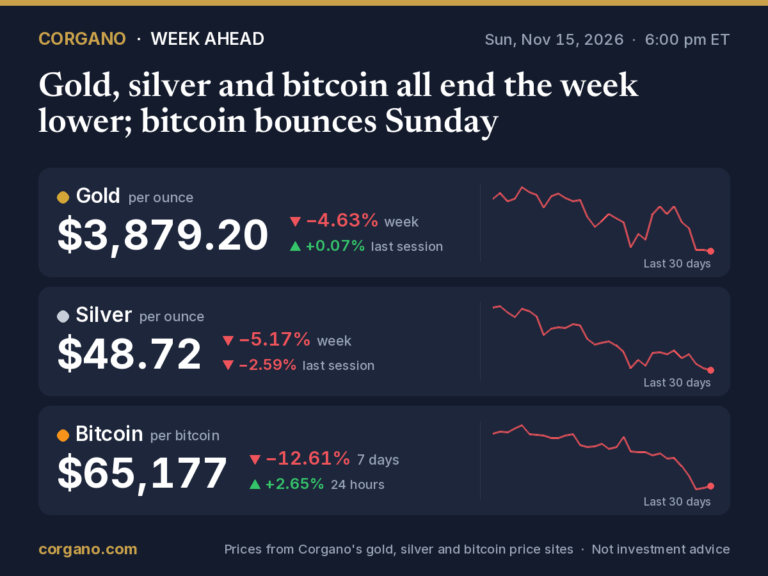
Bitcoin itself trades at 1 BTC: $65,055 (+2.61% 24h) Live bitcoin price →.
How did it happen?
The entry point is still unknown. Operators first learned of the problem when CoreX Hosting noticed unauthorized changes to pool settings on affected machines. One operator said their entire operation had been hit, and pointed to Luxor’s Commander software, used to manage large mining fleets, as a possible entry point. That link hasn’t been independently confirmed, and CoreX has said the incident wasn’t linked to LuxOS, Luxor’s mining firmware.
It may not have been a one-off. There were reports of mining machines being switched to other pools in the days before November 14, which raises the possibility of a wider or continuing effort.
What it means for bitcoin
Bitcoin’s blockchain wasn’t compromised. The attack targeted the systems that manage mining hardware and their pool settings, not bitcoin’s protocol or consensus rules. The hashrate went to a legitimate pool, and the aim appears to have been to capture payouts rather than disrupt the network.
It still shows a weak point. Large mining operations control tens of thousands of machines remotely through fleet-management software. If that software is breached, a large share of hashrate can be moved within minutes without the owners’ consent.
What operators can do
- Check pool settings and payout addresses on every machine. CoreX caught this one because someone noticed the settings had changed.
- Watch for statements from Luxor and CoreX on the cause, what was exposed and whether a fix is available.
- Look back at the days before November 14 for unexplained pool switches, given the earlier reports.
Sources
- CaptainAltcoin, 64,000 bitcoin mining machines hijacked, redirecting 13 EH/s to OCEAN pool (November 15, 2026)
- SSBCrack News, Attackers hijack 64,000 bitcoin miners, redirect 13 EH/s to OCEAN pool, receive no payouts
- KuCoin News, Approximately 64,000 bitcoin miners hijacked (November 15, 2026)
- Pickaxe, Bitcoin hashrate near 1,004 EH/s (November 11, 2026)
- Hashrate Index, Weekly mining roundup, November 9, 2026 (hashprice)
- Live bitcoin price: Corgano Bitcoin Price
This article is for general information only. It is not investment, financial, tax or legal advice, and it is not a recommendation or an offer to buy or sell gold, silver, bitcoin or any other asset or security. Prices and figures can be delayed, change quickly and may contain errors. Forecasts and opinions quoted are those of the people and organizations named, not ours, and are not guarantees of future results. Investing involves risk, including the loss of the money you invest, and past performance does not predict future returns. Do your own research and consider speaking with a licensed financial adviser before making any financial decision.